
Green Event Trends for 2025: How to Organize Responsible and Impactful Events
12/4/25
Discover the latest green event trends for 2025 and learn step-by-step how to plan eco-friendly, sustainable, and socially responsible events—featuring real examples from Deepali Designs’ award-winning, carbon-neutral and zero-waste executions.
Attendees, sponsors, and regulators increasingly demand sustainable event planning, pushing organizers to adopt eco-friendly events, carbon neutral events, and zero waste events.
In 2025, the global sustainable events market will surpass $5 billion, growing at 12% annually. Deepali Designs has led this charge via implementing modular aluminium frames, solar panels, etc. This guide explores top green event trends, defines responsible gatherings, and provides a detailed roadmap for organizing impactful, environmentally conscious experiences.
Defining Green Events: What Makes an Event “Green”?
A truly green event embraces:
Zero-Waste Events: Divert ≥ 90% of waste, as achieved at Deepali Designs’ National Youth Festival activation with on-site composting and full recycling.
Carbon Neutral Events: Offset or eliminate ≥ 50% of emissions—Deepali Designs’ virtual outreach for Azadi Ka Amrit Mahotsav cut travel emissions by 85% through hybrid streaming.
Ethical Sourcing: Use local, fair-trade materials—Deepali Designs’ Designs’ in-house fabrication sources regional bamboo and recycled fabrics.
Social Responsibility: Engage communities—Deepali Designs’ ran a tree-planting drive at a 38th National Games 2025, Uttarakhand, planting 1,000 saplings.
Top Green Event Trends for 2025
Digital-First & Hybrid Models
Virtual keynotes reduce travel by 60%.
Deepali Designs’ Zoom summit for the Ministry of Culture engaged 10,000 participants online, halving carbon emissions.
Circular Supply Chains
Reusable aluminium space frames and hangers from Deepali Designs’ R&D are deployed at 100+ exhibitions, reused across 5 events on average.
Regenerative Experiences
Tree-planting, beach cleanups, carbon offsets embedded in registration fees. Deepali Designs’ added a “plant a sapling” option at registration.
Hands-On Sustainability & ESG Framework
Recycling art installations and upcycling demos—Deepali Designs’ executed a ‘re- & upcycling’ at multiple events, for example - repurposing 500 kg of Iron & Wood waste as installations.
Smart Energy Management
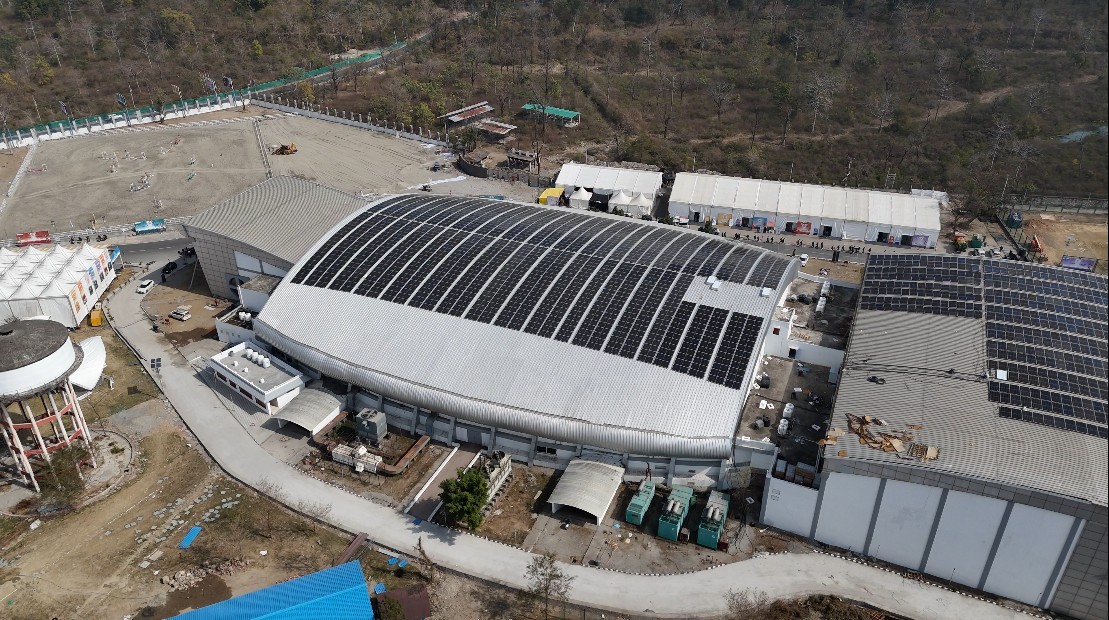
Deepali Designs’ On-site solar-panels delivered self-sustained power (upto 30% of total energy needs) for consumption outlet stations and lighting in 38th National games.
Green Certification & Reporting
ISO 20121 compliance and GRI impact reports as standard—Deepali Designs’ issues post-event sustainability reports with full metrics.
How to Plan Green Events and Why You Should Do It
Planning a green event isn’t just a trend—it’s a strategic move that drives brand value, reduces costs, and meets rising stakeholder expectations. Follow these detailed steps and understand the compelling reasons behind each to ensure your next gathering is both responsible and impactful.
Step-by-Step Guide to Planning Green Events
Establish Clear Green Objectives
Define measurable targets such as waste diversion rate, percentage of renewable energy use, or local sourcing ratio.
Secure executive buy-in by linking objectives to corporate ESG goals and anticipated ROI from cost savings and enhanced reputation.
Conduct a Sustainability Audit During Site Selection
Assess potential venues for existing green credentials (LEED, BREEAM, ISO 20121).
Evaluate on-site capabilities: recycling infrastructure, renewable energy access, water-saving fixtures, and proximity to public transport.
Prioritize venues that minimize logistical carbon emissions and demonstrate a track record of eco-friendly operations.
Integrate Eco-Friendly Budgeting Practices
Allocate at least 10–15% of your budget to sustainability initiatives—this often yields cost offsets elsewhere (e.g., waste disposal fees, energy savings).
Include green-line items directly in your P&L (e.g., carbon offset purchases, reusable décor, digital platform licenses) to ensure transparency and accountability.
Negotiate “green discounts” with vendors—many suppliers offer preferential rates for repeat business or eco-focused projects.
Build a Circular Supply Chain
Source modular, reusable infrastructure (aluminium frames, digital signage) that can be redeployed across multiple events.
Partner with local artisans for décor and catering to support regional economies and reduce long-haul transportation emissions.
Specify compostable or recyclable materials in all vendor contracts, holding partners accountable to waste-diversion targets.
Design a Zero-Waste Operations Plan
Map every material flow: from attendee badges and printed collateral to food packaging and décor.
Implement clearly labeled waste stations—recycling, compost, and landfill—and provide staff training on proper sorting procedures.
Incorporate digital solutions: e-tickets, mobile agendas, and real-time notification systems to eliminate paper and reduce on-site staff.
Leverage Technology and Innovation
Use event management platforms for contactless check-in, digital networking, and data-driven sustainability reporting.
Deploy on-site real-time dashboards displaying energy usage, waste diversion rates, and carbon saved—keeping attendees engaged in your green mission.
Offer virtual attendance options to further reduce travel-related emissions and expand your audience reach.
Engage Stakeholders and Amplify Impact
Communicate green commitments early and often in your marketing collateral, registration pages, and social media channels.
Incentivize sustainable behaviors: offer perks for carpooling, using reusable bottles, or attending eco-workshops.
Partner with NGOs or community groups to incorporate social good elements—volunteer drives, local cleanup projects, or charitable giving options.
Conduct Rigorous Post-Event Analysis
Collect quantitative data on waste streams, energy consumption, attendee behavior, and satisfaction related to green initiatives.
Publish a transparent sustainability report aligned with GRI or ISO 20121 standards, showcasing successes and areas for improvement.
Hold a debrief with your team and vendors to capture lessons learned and update your green checklist for future events.
Why You Should Plan Green Events
Brand Differentiation & Reputation: Demonstrating environmental responsibility resonates with eco-conscious attendees, sponsors, and partners, boosting attendance and loyalty.
Cost Savings: Investing in waste reduction, digital solutions, and renewable energy often lowers operational expenses—less waste to dispose of, reduced energy bills, and fewer printed materials.
Regulatory Compliance: Anticipate and adhere to evolving environmental regulations and corporate ESG reporting requirements, avoiding fines and reinforcing stakeholder trust.
Risk Mitigation: Proactive sustainability planning addresses potential disruptions—from supply chain shocks to extreme weather—ensuring your event remains resilient.
Positive Social Impact: Engaging local communities and supporting sustainable practices elevates your brand’s social license to operate and creates meaningful long-term partnerships.
Enhanced Attendee Experience: Interactive green features—like real-time impact dashboards or upcycling workshops—add novelty and educational value, fostering deeper engagement.
By embedding green planning at every stage, your events will not only meet but exceed the expectations of modern audiences, delivering measurable environmental and business outcomes.

Conclusion
By weaving sustainable event planning, eco-friendly events, green event best practices, carbon neutral events, and zero waste events into every stage—just as Deepali Designs’ has done—you’ll lead the field in 2025. Use this comprehensive, actionable framework to deliver responsible, impactful events that benefit people, profit, and planet.