12/4/25
At its essence, event management meaning lies in three things: planning, organizing, and flawlessly executing an experience that meets your business goals and wows your audience. Whether it's a high-profile exhibition or a virtual conference, great event management turns vision into reality—on time and on budget.
Event Management Definition: What Is Event Management?
At its essence, event management meaning lies in three things: planning, organizing, and flawlessly executing an experience that meets your business goals and wows your audience. Whether it's a high-profile exhibition or a virtual conference, great event management turns vision into reality—on time and on budget.
Industry fact: According to EY, well-managed events boost brand recall by 35% and can increase direct consumer engagement by over 40%. Deepali Designs, a leader in Delhi since 1992, summarizes it as "Turnkey event management solutions—covering everything from creative ideas to technical groundwork, leaving brands free to focus on their core messaging."
Why Is Event Management Essential for Success?
Every event is a milestone for your brand. Done right, they can:
Accelerate networking by up to 50% compared to direct mail campaigns.
Generate real-time feedback that can drive product and marketing pivots.
Deliver publicity and recall that lasts long after the event itself.
For example, Deepali Designs handled a national festival's opening in just 10 days—juggling logistics for a 400-member troupe. Their experience demonstrates the critical difference professional event management makes when timelines are tight and outcomes must be perfect.
Event Management Types: What Can You Create?
Event management types are as diverse as today's business needs:
Event Type | Example & Impact |
|---|---|
Conferences, Summits | National Youth Festival: 400+ artists, complex setups, flawless delivery (Deepali Designs) |
Exhibitions & Tradeshows | Over 100+ trade shows managed, modular aluminium frames shipped nationwide for quick setup |
Sports Events & Infrastructure | First in India to use European-inspired aluminium hangers and double-storey space frames |
Social Events | Custom, immersive setups blending tradition and cutting-edge design |
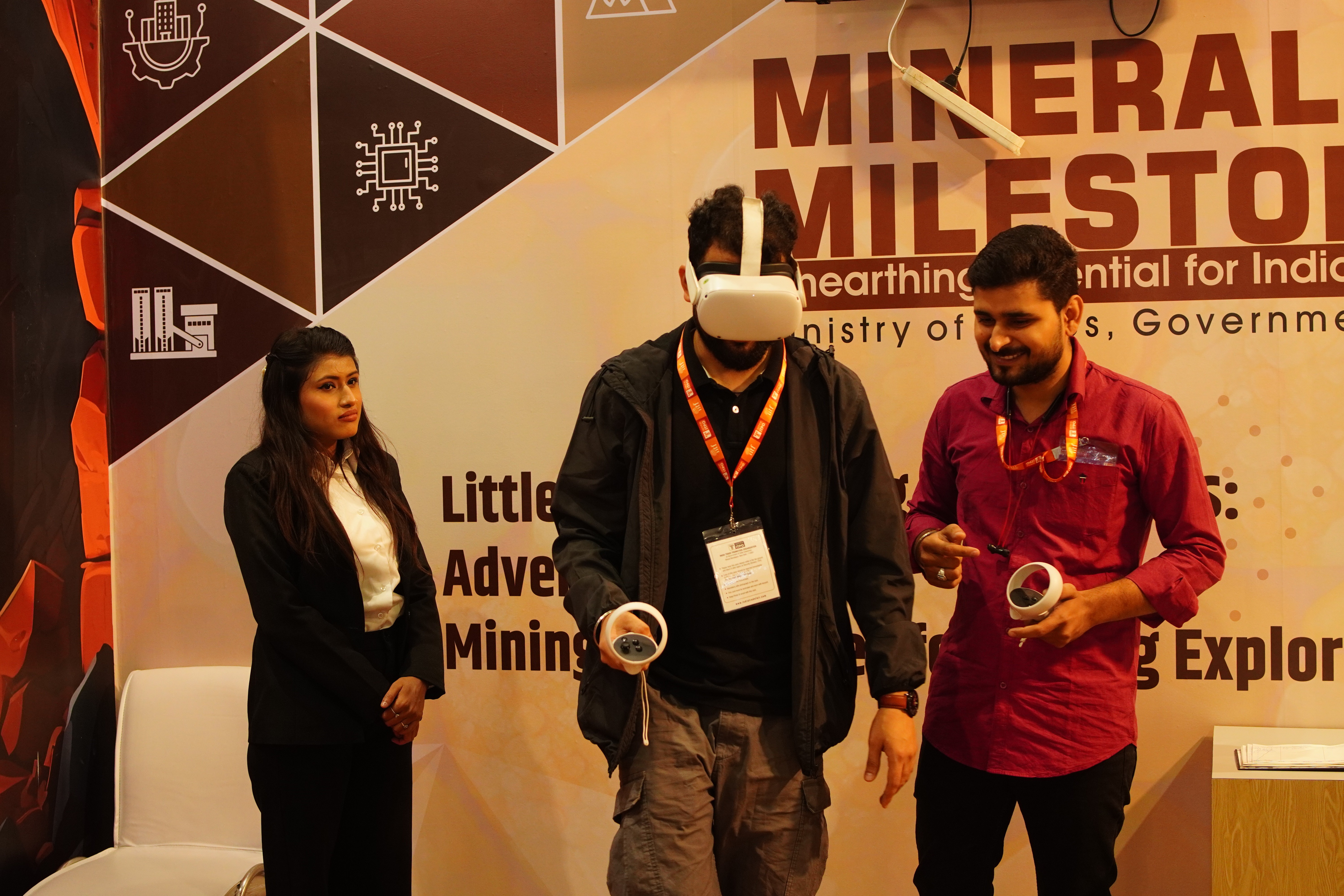
Brand Activations & Promotions | AR/VR-enabled booths, digital engagement spiking visitor time by up to 25% |
Hybrid & Virtual Events | Seamless Zoom summits during COVID, doubling participant reach since 2020 |
Event Management Process: The Steps Behind Success
Your event management process needs to be robust—each stage matters. Here's exactly how to execute them:
1. Concept & Objective Setting
How to Do It:
Define your "why" using SMART goals
Specific: Instead of "increase awareness," aim for "generate 500 registrations from target industry."
Measurable: Set quantifiable KPIs (e.g., 300 qualified leads, 40% attendee satisfaction score).
Achievable: Base targets on past performance or industry benchmarks.
Relevant: Align with broader business objectives (product launch, brand positioning, lead generation).
Time-bound: Set clear deadlines for each milestone.
Identify your target audience
Research demographics, job roles, pain points, and interests.
Segment audiences to create targeted messaging (e.g., C-suite executives vs. mid-level managers).
Survey past attendees or prospects to understand preferences.
Clarify event outcomes
What should attendees walk away with? (Knowledge, connections, product demos)
How does this event support sales pipeline, customer retention, or brand awareness?
Document objectives and share with all stakeholders for unified vision.
2. Planning & Budgeting
How to Do It:
Start with the big picture
Determine maximum budget allocation based on organizational resources.
Review past event budgets for realistic benchmarks and lessons learned.
Break down every cost category
Venue: Rental fees, deposits, permits, insurance, accessibility modifications.
Catering: Food, beverages, service staff, utensils, setup/breakdown.
Marketing: Advertising (Google Ads, social media), promotional materials, influencer partnerships, email campaigns.
Technology: Registration platforms, event apps, AV equipment, live streaming, AR/VR setups.
Staffing: Salaries, volunteer coordination, travel, accommodation for team and speakers.
Entertainment: Speaker fees, performers, musical acts, interactive experiences.
Decor & Rentals: Tables, chairs, linens, lighting, signage, modular structures.
Miscellaneous: Transportation, parking, security, contingency fund.
Allocate funds by priority
Rank categories by importance to event success.
Secure essentials first (venue, catering), then allocate to secondary elements.
Include a 10-15% contingency fund
Cover unexpected costs like price increases, additional guests, weather-related changes, or last-minute repairs.
Track expenses in real-time
Use budgeting software or spreadsheets to monitor actual vs. projected costs.
Review budget weekly and adjust allocations as quotes become finalized.
Keep all receipts organized for easy reference and post-event analysis.
Negotiate with vendors
Get quotes from multiple providers to compare pricing and quality.
Negotiate discounts for early booking, package deals, or bundled services.
Be transparent about budget constraints to find creative solutions.
3. Promotion & Marketing
How to Do It:
Develop a multi-channel marketing strategy
Social Media: Create dedicated event hashtags, share video teasers, tag speakers/influencers, run contests ("tag a friend to win").
Email Marketing: Build automated drip campaigns—announcement email → registration reminder → pre-event excitement → last-minute FOMO push.
Paid Advertising: Set up Google Ads, YouTube Ads, Facebook retargeting for website visitors who didn't complete registration.
Influencer Partnerships: Collaborate with industry influencers whose followers match your target audience.
Event Listing Sites: Post on Eventbrite, Meetup, industry-specific platforms for organic discovery.
PR & Media: Issue press releases, pitch to journalists, secure media partnerships for coverage.
Create compelling content
Promotional videos showing highlights from past events or sneak peeks.
Behind-the-scenes content to build anticipation and authenticity.
Speaker spotlights, agenda previews, and attendee testimonials.
Spark FOMO (Fear of Missing Out)
Use urgency-driven messaging: "Early bird pricing ends Friday," "Only 50 spots left."
Showcase exclusive benefits: networking with industry leaders, hands-on workshops, limited-edition swag.
Launch registration early
Open ticket sales 2-3 months before the event for maximum promotional runway.
Offer tiered pricing (early bird, regular, last-minute) to incentivize early commitment.
Track marketing performance
Monitor clicks, impressions, conversion rates, and registration sources.
Test different ad formats, copy, and visuals to optimize messaging.
Adjust campaigns based on real-time data (double down on high-performing channels).
4. Execution: Event Day Coordination
How to Do It:
Create a detailed minute-by-minute schedule
Document every activity, transition, speaker introduction, break, and networking session.
Assign specific times, locations, and responsible team members for each task.
Share the "Run of Show" with all staff, volunteers, and vendors.
Conduct thorough staff briefings
Review roles, responsibilities, schedules, and expectations before doors open.
Establish clear communication channels (walkie-talkies, group messaging apps like WhatsApp or Slack).
Empower team leaders to make quick decisions without escalating minor issues.
Perform technical rehearsals
Test all AV equipment, microphones, projectors, and live streaming setups.
Run speaker rehearsals to refine presentations and address technical concerns.
Check lighting, sound levels, and backup equipment functionality.
Set up contingency plans
Prepare backup solutions for equipment failure, speaker cancellations, weather issues, or delays.
Maintain updated contact lists for emergency services, vendors, and venue staff.
Create a risk assessment matrix outlining scenarios and response procedures.
Monitor event flow actively
Track attendance, session transitions, and engagement levels in real-time.
Be prepared to adapt schedules if sessions run long or technical issues arise.
Maintain attendee experience by ensuring smooth registration, wayfinding signage, and on-site support.
5. Evaluation & Feedback: Measuring Success
How to Do It:
Distribute post-event surveys immediately
Send within 24-48 hours while the experience is fresh in attendees' minds.
Ask about satisfaction, content relevance, logistics, networking opportunities, and likelihood to recommend.
Include Net Promoter Score (NPS) to gauge overall sentiment.
Track quantitative metrics
Attendance: Total registrations vs. actual attendees, no-show rate.
Engagement: Session attendance, questions asked, live poll responses, app downloads, booth visits.
Lead Generation: Number of prospects added to database, qualified leads, business cards collected.
Revenue: Direct income (ticket sales, sponsorships) and pipeline value created.
Social Media: Event hashtag mentions, shares, impressions, follower growth.
Website Traffic: Visits from event landing pages, time spent, conversion rates.
Calculate event ROI
Simple Model: Event Revenue ÷ Event Expenses
Incremental Revenue Model: (Event Revenue - Event Expenses) ÷ Event Expense
Include long-term value: Lead conversion rates, customer lifetime value, brand awareness impact.
Target ROI: 25-34% for first-time events, 50-100% for established events.
Analyze and document learnings
What worked well? What fell short? Where did you overspend or underspend?
Identify process improvements, vendor performance issues, and attendee pain points.
Create a post-event report with key insights, recommendations, and action items for future events.
Share results with stakeholders
Present transparent reports showing ROI, attendee satisfaction, and business impact.
Use data to justify future event budgets and secure buy-in from leadership.
Celebrate wins with your team and recognize exceptional contributions.
Event Management Components: What Makes It All Work?
Effective event management relies on interconnected event management components. Here's how to master each:
Strategy & Goal Alignment
Establish clear KPIs tied to business outcomes (lead generation, brand awareness, customer education).
Communicate goals to all stakeholders for unified vision and accountability.
Logistics & Operations
Select and reserve venues 2+ months in advance, considering capacity, location, amenities, and accessibility.
Coordinate transportation, parking, accommodation for attendees, speakers, and VIPs.
Manage setup/breakdown timelines, furniture rentals, and equipment logistics.
Venue & Vendor Management
How to Do It:
Research and vet vendors thoroughly
Get quotes from multiple providers to compare pricing, quality, and reliability.
Check references, reviews, and past client testimonials.
Assess financial stability to ensure vendors can deliver on commitments.
Communicate expectations clearly
Share deadlines, deliverables, setup/teardown times, and quality standards upfront.
Put everything in writing—contracts should cover policies, timelines, payment terms, and cancellation clauses.
Schedule regular check-ins throughout planning to stay aligned.
Build strong relationships
Respect vendors' time—remember you're not their only client.
Pay invoices promptly and provide feedback (positive and constructive).
Treat vendors as partners, not just service providers, to foster long-term collaboration.
Use event planning tools for coordination
Centralize vendor communication, contracts, and task tracking in platforms like Bizzabo, Eventbrite, or Nunify.
Automate reminders, assign responsibilities, and share dashboards for transparency.
Track vendor performance metrics (on-time delivery, quality) to inform future decisions.
Budget & Financial Planning
Allocate resources strategically, monitor expenses in real-time, and adjust as needed.
Maintain transparency with stakeholders through regular budget reviews.
Marketing & PR Coordination
Develop integrated campaigns across email, social media, paid ads, and PR.
Create compelling content (videos, graphics, speaker spotlights) to drive registrations.
Measure campaign performance and optimize based on data.
Technology & Registration Systems
Implement event management platforms for registration, ticketing, and attendee engagement.
Leverage digital-interactive exhibits, AR/VR experiences, and mobile event apps.
Use analytics to track attendee behavior and optimize future events.
Team Coordination & Communication
Define clear roles and responsibilities for all team members and volunteers.
Conduct orientation sessions and training to ensure everyone is prepared.
Establish real-time communication channels for quick problem-solving during the event.
Risk Management & Contingency Planning
Create risk assessment matrices identifying potential scenarios (weather, technical failures, health emergencies).
Develop response procedures and train staff on emergency protocols.
Maintain incident reporting systems to track and resolve issues efficiently.
Common Challenges in Event Management
Budget overruns, last-minute changes, and vendor issues are perennial challenges. Deepali Designs mitigates these risks through:
Robust contingency planning: 10-15% budget reserves for unexpected costs.
Rapid-deployment modular structures: Setups 5x faster than traditional builds.
Dedicated R&D division: Constantly innovating solutions for complex scenarios (e.g., Europe-inspired space frames, solar-powered Peak Pods).
Tools and Technology in Event Management
Modern events thrive on technology:
Event Management Platforms: Bizzabo, Cvent, Eventbrite, Nunify for registration, analytics, and attendee engagement.
Marketing Automation: Email drip campaigns, social media scheduling, retargeting ads.
Data Analytics: Track ROI, attendee behavior, session popularity, and lead conversion rates.
Interactive Technology: AR/VR exhibits, live polling, mobile event apps, digital check-ins.
Sustainability: Deepali Designs' solar-powered structures, reusable aluminium frames, and eco-friendly setups reduce environmental impact.
Conclusion: Event Management as a Growth Engine
Mastering event management definition, understanding event management types, perfecting the event management process, and building solid event management components isn't just academic. It's the difference between a forgettable meeting and a legacy-defining launch.
Professional event management—like that delivered by Deepali Designs with 30+ years of excellence, 500+ happy clients, and 50+ industry awards—transforms challenges into lasting brand stories. By following structured processes, leveraging technology, and building strong vendor partnerships, your events can deliver measurable ROI, unforgettable experiences, and long-term business impact.
Need to elevate your event?
Tap into proven strategies, creative storytelling, and powerful technology. Work with experts who've mastered every step of the journey—from concept to post-event ROI analysis.